First Time Watches - March Top Ten
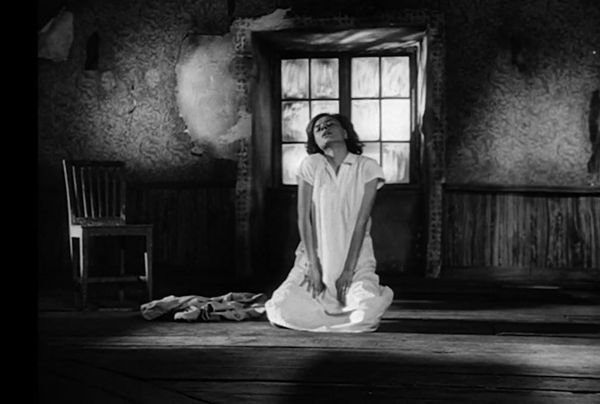
Nothing Sacred (1937) directed by William Wellman
I am a Wild Bill Wellman super-fan, but somehow for some reason have avoided this over the years. I am glad I waited for this beautiful MOMA restoration of the original Technicolor elements of the film (in 1937 color was still very rare). It is like watching something from a dream by an old man, in his last reveries, who remembers when film looked and talked like this. At the center of the dream is the nonpareil Carole Lombard, the Emma Stone of her day, as Helen Flagg. You will recognize the scene, much used when the discussion is screwball comedy, where both man, then women, cold cocks the other.
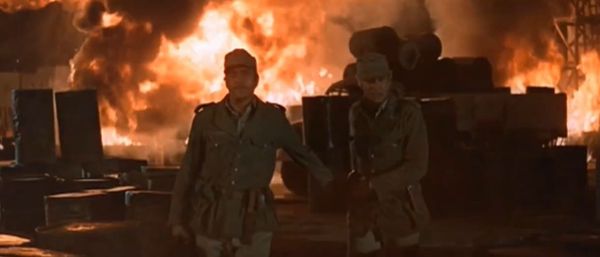
Verboten (1959), directed by Sam Fuller
My quest for Fuller completism continues. Not my favorite Sam, by far, the romance at its center (that which is verboten) is not convincing and the leads lack chemistry, but, as always, emotionally raw and a continual visual punch in the face. Awful lead credit song, though. Somebody ought to write a piece on the terrible credits music from 50's and 60's war films and westerns.
Amityville II: The Possession (1982), directed by Damiano Damiani
An already deeply dysfunctional family make matters worse for themselves by buying, in an unforgivable act of realtor malpractice, the goddamn Amityville house. They are feeling pretty smug about the purchase for about five minutes when all hell literally breaks loose. The acts of incest and domestic abuse on display are as disturbing as anything in Heredity or Longlegs. They made a wise choice hiring the Italo-shock specialist Damiani as he keeps things weird and artful (some beautifully crafted dolly shots and simple but effective makeup effects), unlike the perfunctorily directed and more-funny-than-scary-original.
The Ugly Stepsister (2025), directed by Emile Kristine Blichfeldt
Nasty, bitterly funny fairy tale about self-mutilation in the pursuit of physical perfection (not that there is anything modern about that idea). Nominated for the best makeup award, featuring a star-making (or should be) lead performance by Lea Myren.
The Perfect Neighbor (2025), directed by Geeta Gandbhlr
Doc about a neighbor who is anything but exemplary. One of multiple works this year that feature the Floridian "stand your ground" rule (allowing individuals to use reasonable force, including deadly force, to defend themselves against threats without a duty to retreat) as a justification for heinous crimes. Difficult to watch at times, and not funny in a "Florida Man" sort of way at all, but a perfect snapshot of Trump America.
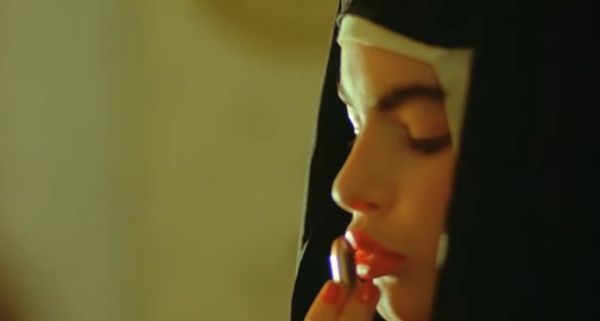
She Killed in Ecstasy (1971) directed by Jesus Franco
One of the great things about being on this never-ending cinematic journey is there is always something new to discover. I knew about the prolific Jesus (Jess) Franco, of course, he of the multiple pseudonyms and astonishingly voluminous filmography, and had seen snippets of his work here and there, enough to recognize a subject for future research. This month I dug into this insane giallo about an extremely dutiful wife taking revenge on the doctors who run her husband out of the practice for some dodgy work with human embryos, leading to his suicide. That's a premise for ya. Some absolutely terrific sex scenes (Franco movies are always horny), mise en scene and, oh, the cars and apartments. You will have to be patient with the trademark Franco wobbly pans and zooms, and the premise gets stretched to its limits, but by the time one loses patience it abruptly ends.
Undertone (2026), directed by Ian Tuason
The latest example of a micro-budgeted smash hit horror film which turns its limitations into an asset. In this case leaning into the relatively cheap-to-produce soundtrack for the majority of its chills. Two podcasters are sent a series of anonymous e-mails which uncover some sinister doings. While it strains credulity in multiple ways, the thing does grip you because of its brevity, its lack of exposition and relative un-pretentiousness. It is also making a fortune versus its cost. People continue to love getting wigged out together in a theater.
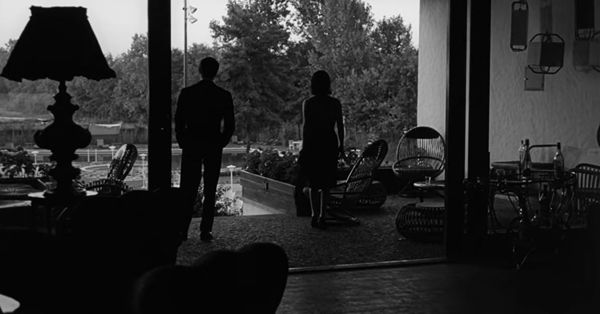
Cop Au Vin (1985), directed by Claude Chabrol
There is a moment when in this late period policier by the great Claude Chabrol the highly suspect inspector Lavarin tries a diamond ring on the charred finger of a burn victim. When the ring does not fit, it is clear to Lavarin they have identified the wrong person. This nasty little moment is pure Chabrol, the camera doesn't linger, there are no shocked expressions, just a small moment that is as nauseating as anything in the Saw movies. And, more importantly, it is both crucial to the plot (Chabrol was always plot-first) and to understanding the lengths to which Lavarin will go to get his man. Great stuff. Lavarin (Jean Poiret), who thinks nothing of beating information out of a man or a woman, would get a sequel a year later (Inspector Lavarin, 1986).
Bleeder (1999), directed by Nicolas Winding Refn
This early Refn film just dropped on Criterion in March. Mads Mikkelsen plays a nerdy video store clerk (which is hard to picture from the man who played Hannibal, but he pulls it off), Kim Bodnia plays his pal, who becomes increasingly unhinged as his masculinity is threatened. As with all of Refn's films a meditation, if not always a critique, of machismo. Made on the heels of Refn's Pusher trilogy, this feels almost sweet in comparison. Until it is no longer sweet.
Timecop (1994), directed by Peter Hyams
Surprisingly politically savvy and featuring rather believable time travel concepts and effects, this is another solid Hollywood genre film from the reliable Peter Hyams. While not quite on the Aldrich/Fleischer level, Hyams, who shot all his own films, deftly moved amongst genres and generally delivered precisely what is promised. He also reigns in Jean Claude Van Damme and gets a subtle, almost touching performance from him. Great supporting performances from Ron Silver (always such a believable douche bag), who figures out the only way he is going to get the billions he needs to buy a senatorial election is the travel back in time and bet on futures, and Bruce McGill, who absolutely kills every line reading. The cars from the future (2004, mind you) all look like Tesla trucks. Remember when films like this would pop up at the $1.00 cinema and you would just eat it up?