Favorite First Time Watches - May Top 10

Hokum (2026), directed by Damien McCarthy.
Oz Perkins and Zach Cregger seem to be getting all the headlines (and now, out of nowhere, Curry Baker – see below), but for my money the Irishman Damien McCarthy is the most interesting horror auteur of this recent age. Adam Scott is a douchey American author come to a Country Inn in Ireland to bury his parents ashes. More than a fair share of surprises for what is a pretty straight-forward haunted house yarn, and the themes of trauma, so front-and-center to a predictable and tiring degree in modern horror, feels fairly well-earned here. Special callout to the fetching Florence Ordesh as one of the inn keepers who helps the author in spite of his douchiness. McCarthy's other two films are creepy, too, and worthwhile (Caveat and Oddity).
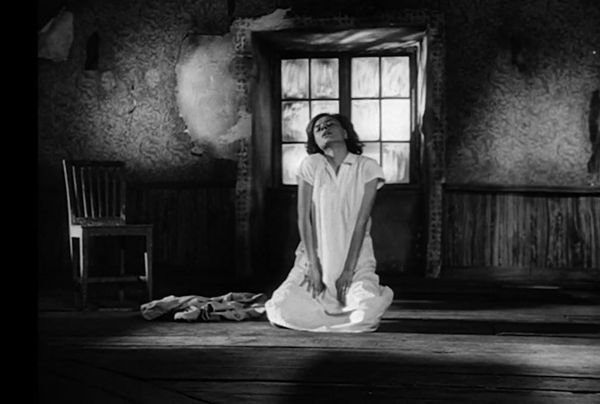
Drunken Angel (1948), directed by Akira Kurosawa
I had an idea that this was a rather lightly-thought-of Kurosawa work, but it's great, and its depiction of alcoholism (both the hero, a doctor who treats a disreputable but ultimately sympathetic gad-about, are both complete lushes) is one of the more realistic, even-tempered, non-judgmental but nevertheless damning on film. Kurosawa regulars Takashi Shimura (as the doctor) and Toshiro Mifune (as the insanely handsome gad-about) are both great.
Splitsville (2025), directed by Michael Angelo Covino
Enjoyable Bob-and-Carol-and-Ted-and-Alice rethink for millennials, as two couples commit, but not altogether convincingly, to open marriage. Dakota Johnson, whom I have never given two shakes about, is actually deadpan, intelligent and charming here. Director Covino is funny as one of the four principles, and Adria Arjona (Hit Man), is a flat-out star. An adult comedy, for a change.
Harakiri (1962), directed by Masaki Kobayashi
Harrowing Japanese classic that has evaded me all these years, and probably because I find the very idea of the ritual of Harikari, or public disembowelment enacted as an act of penance primarily by Samurais in Feudal Japan, so upsetting. To Kobayashi's credit, the violence in the film off screen, and centers the story more on the human toll of being out of work and fed up with life (the lead samurai characters lament the fact that Japan is at piece, which is bad for business). Very upsetting nonetheless, but riveting and essential.
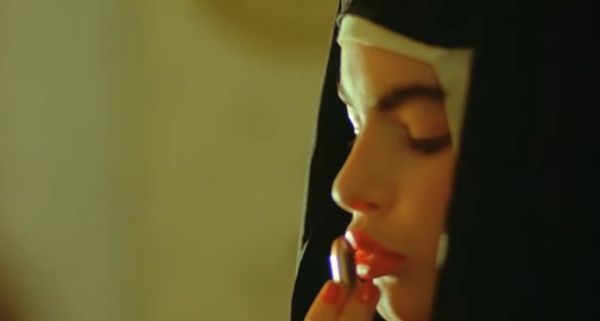
Obsession (2026), directed by Curry Baker
I won't say Obsession was a fun watch. The lead performance from Inde Navarette is ear-splitting and upsetting as she quickly goes from quirky, aloof hipster to insane monster from the Id. But it is nonetheless an awe-inspiring performance which should be up for all the awards, calling to mind Isabelle Adjani in Possession (another hard-to-watch but undeniable horror film). As I was watching it I grew impatient with what I perceived to be yet another misogynist "that bitch is crazy" scenario, but in reflection there is a lot more going on than that. Directed with style by You-Tube auteur Curry Baker. A box-office sensation. See it in the theater.
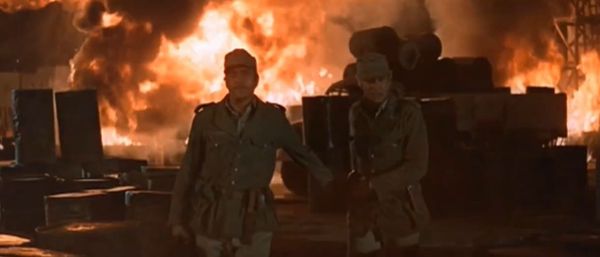
Westfront 1918 (1930), directed by G.W. Pabst
Long thought lost, G.W. Pabst's masterpiece, his first talkie, was digitally restored from camera negative elements in 2014 to astonishing effect. Pabst was a complicated figure, a pacifist and nominal anti-Nazi who nevertheless did not follow the past of his countrymen Fritz Lang and F.W. Murnau and flee the country as Hitler puts his hooks in. This has contributed to a diminishing of his overall reputation, but it is clear in watching Westfront this was an immensely talented and sensitive director. Released almost simultaneously with the much more ballyhooed, Oscar-anointed All Quiet on the Western Front, I find this the superior, less pretentious and ultimately more pacifist work.
Video Heaven (2025), directed by Alex Ross Perry
Beguiling bit of Cinephile Catnip from Perry, a documentary about the ubiquity of the video store in daily life at a certain time in our shared history and their utter disappearance. While elegiac, never exactly depressing, and with most film essays of this type most of the fun is in trying to name the films from the clips.
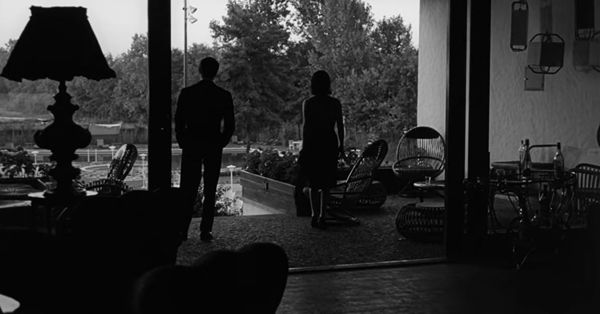
The Big Steal (1949), directed by Don Siegel
Don Siegel-directed, Vera Cruz-set, Robert Mitchum-starring. Mitchum plays another in a series of saps who is falsely accused of theft, and travels to the marvelous port town to find the real culprit. A reuniting of Mitchum and Jane Greer after the success of Out of the Past.
State of Siege (1972), directed by Costa-Gavras
The third in Costa-Gavras remarkable political thriller trilogy (Z and The Confession were the first two, both highly recommended). Yves Montand as the ambiguous protagonist who is captured by a radical extremist group in an unnamed Latin American country and given a taste of the torture medicine he is accused of introducing to the ruling faction in said unnamed city. Complex and taut, the suspense is all about slowly beginning to understand the culpability of the Montand characters, who seems like a perfectly nice family man.
Griffin in Summer (2025), directed by Nicholas Colia
Light-hearted and filled with sympathy and humanity, tells the tale of an ambitious 14-year old gay theater kid Griffin (the awesome Everett Blunck), whose singular focus on the production of his latest play (think Max in Rushmore, to which this movie owes a debt) is interrupted when he develops a crush on a 25-year old handyman hunk (the terrific Owen Teague). There are opportunities for inappropriateness, but the movie never goes there. The crush becomes something deeper and, without hitting you over the head with it, becomes more of an ode to how friendships can form in the unlikeliest of circumstances and can save you. Or at least save the summer.